
To understand the true essence of American convenience, one only needs to look at the intersection of two national obsessions: fast food and automobiles. While many remember the nostalgic image of the mid-century drive-in, complete with carhops on roller skates delivering trays to windows, that was merely the prologue. The real revolution arrived in the late 1940s when pioneers like In-N-Out Burger in California or Red’s Giant Hamburg in Missouri reimagined the experience entirely, allowing drivers to keep moving while they ordered. This shift turned a stationary dining event into a fluid transaction, creating a blueprint for efficiency that wouldn’t even reach European shores for nearly four decades.
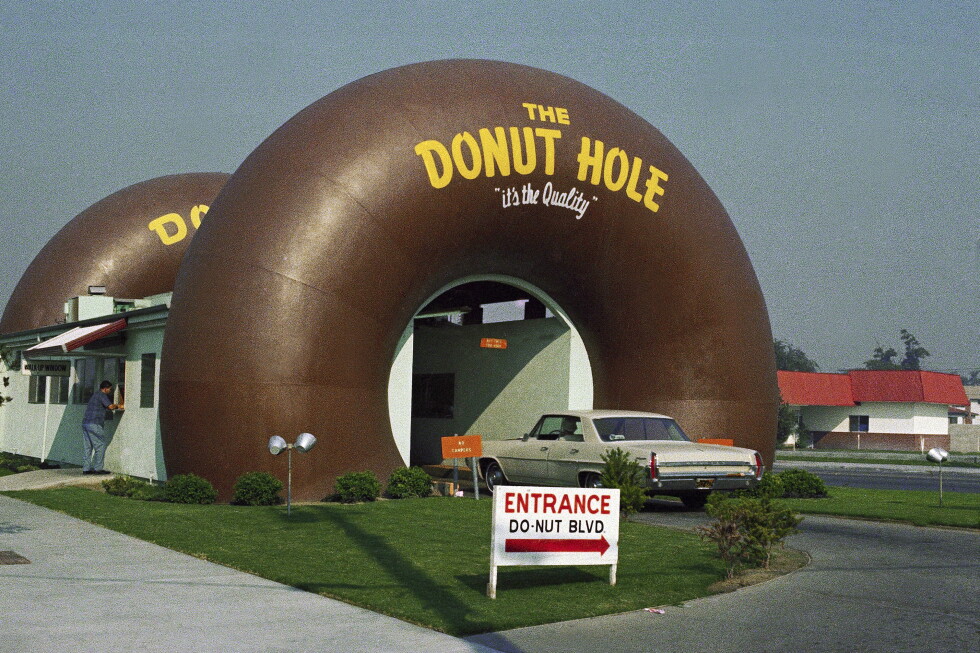
By the 1960s, the concept exploded across the landscape, sparking a wave of eccentric innovations. Some chains went all-in on the model by removing indoor seating altogether, while others utilized bizarre attractions like talking mechanical clowns to greet hungry motorists. In the West, architectural oddities emerged such as A-frame buildings designed specifically with tunnels running through their centers to streamline traffic flow. These changes did more than just alter how we bought burgers; they fundamentally reshaped what we ate and how we drove. Menus pivoted toward portable handhelds like chicken strips and fries, and vehicle interiors were redesigned with increasingly large cup holders to accommodate oversized drinks taken on the road.
The evolution continues today as these lanes transform into high-tech logistical operations. Many modern establishments have replaced glitchy speaker boxes with employees armed with digital tablets who walk alongside idling cars to ensure accuracy and speed. This relentless pursuit of friction-less service has cemented the drive-thru as a cultural landmark, earning it a place within the Smithsonian Museum of American History and making it a frequent backdrop for political campaign stops seeking a touch of everyman appeal.
Ultimately, this particular piece of infrastructure serves as a mirror reflecting deep seated American values. As historians have noted, the rise of the drive-thru isn’t just about hunger or logistics but is instead an expression of a collective passion for speed and efficiency mixed with a healthy dose of laziness. By blending our love for wheels and quick meals into one seamless motion, America created more than just a way to get dinner quickly; it crafted an enduring symbol of life in the fast lane.